
A composite gate can be a smart investment for many homeowners. These gates offer strong durability and need little maintenance over time. Many people choose composite gates because they resist rot, warping, and insects. Upfront costs can be higher than some traditional options. > Weighing the benefits and drawbacks helps buyers find the best solution for their needs.
Key Takeaways
- Composite gates offer durability and low maintenance, lasting 25 to 30 years with minimal upkeep.
- They resist rot, warping, and insects, making them a reliable choice for homeowners seeking long-term value.
- Consider the upfront cost, as composite gates are pricier than wood or vinyl, but they save money on maintenance over time.
- Choose a gate with high-quality hardware to reduce future maintenance needs and ensure longevity.
- Evaluate design options to match your home’s style, as composite gates come in various colors and textures.
What Is a Composite Gate?
Materials and Design
A composite gate combines different materials to create a strong and attractive entrance. Most composite gates use wood fibers and recycled plastics. These materials help the gate resist rot and insects. The design often mimics the look of wood, but it does not require painting or staining. Composite gates are heavier than aluminum gates, so they need stronger hardware. This can increase maintenance costs over time. The mixed materials are not fully recyclable, which affects their environmental impact. Moisture absorption can cause warping in humid climates. Some composite gates may start to deteriorate within 5–10 years, while metal gates often last longer.
Tip: Choose a composite gate with high-quality hardware to reduce maintenance needs.
Composite Gate vs. Wood, Metal, Vinyl
Homeowners often compare composite gates to wood, metal, and vinyl options. Each material has unique features:
| Material | Maintenance | Durability | Appearance | Environmental Impact |
|---|---|---|---|---|
| Composite | Low | Moderate | Wood-like | Not fully recyclable |
| Wood | High | Moderate | Warm, natural | Biodegradable |
| Metal | Low | High | Modern | Recyclable |
| Vinyl | Low | High | Clean, simple | Recyclable |
- Composite gates do not need painting or sealing.
- Cleaning is easy with soap and water.
- They resist pests and rot, which saves money on repairs.
- Strong PVC material ensures a long lifespan, but some gates may fade or expand in extreme weather.
Wood gates offer a classic look and can be customized. They need regular care to prevent damage from weather and insects. Metal gates resist rust and corrosion, making them a durable choice. Vinyl gates are easy to clean and maintain, but they may crack in cold temperatures.
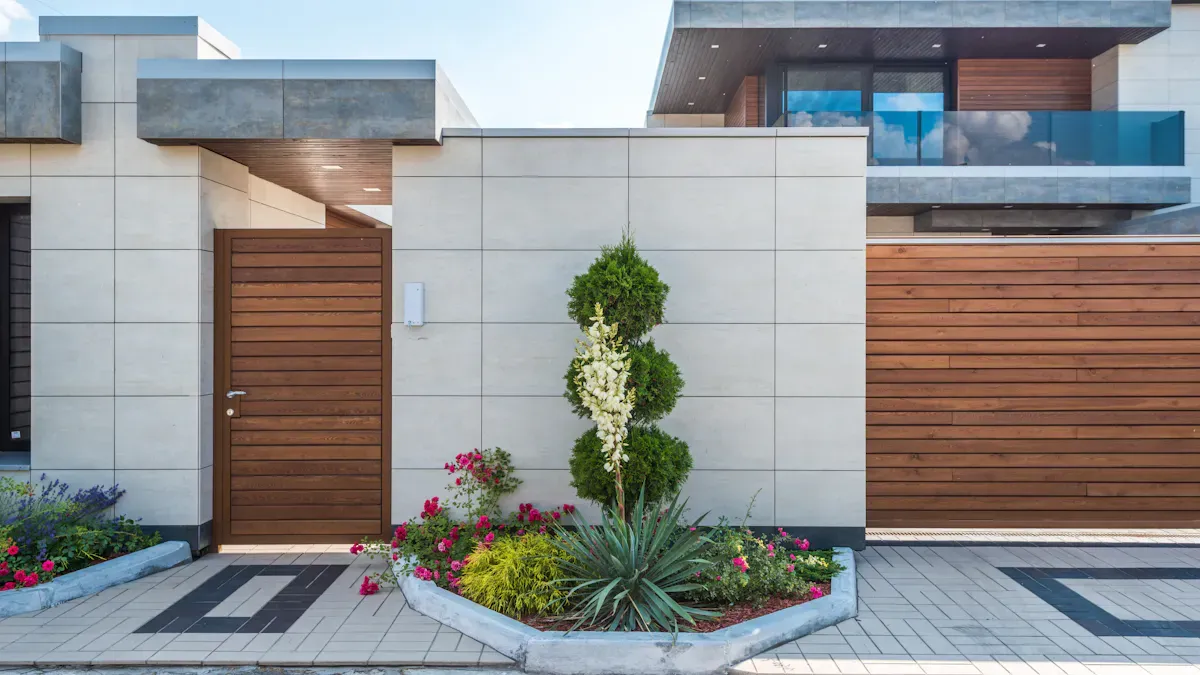
Composite Gate Pros and Cons
Durability and Longevity
Composite gates offer impressive durability. The combination of recycled wood fibers and plastic polymers creates a material that mimics wood but provides superior strength. These gates resist rot, warping, splintering, and insect infestation. They maintain structural integrity through rain, sun, and temperature changes. Owners do not need to worry about corrosion or cracking. Composite gates typically last 25 to 30 years, which is much longer than standard wood gates. Minimal maintenance helps extend their lifespan even further. This longevity is a major pros for homeowners who want reliable security and lasting value.
Note: Composite gates retain their color, texture, and shape for many years, even in harsh weather conditions.
Maintenance and Upkeep
Maintenance is another key pros for composite gates. Cleaning usually involves a simple rinse with a garden hose. There is no need for painting, staining, or sealing. Built-in UV inhibitors protect the surface from sun damage. The smooth finish stays intact without frequent inspections for splinters or mold. Compared to wood gates, composite gates require much less attention. However, in humid areas, mold treatments may be necessary, which can increase maintenance costs. Over a 10-year period, maintenance costs for composite gates are higher than metal gates but lower than wood gates.
| Maintenance Task | Composite Gates | Wood Gates |
|---|---|---|
| Cleaning Requirements | Occasional rinsing with a garden hose | Regular brushing to remove mold and debris |
| Weather Response | Minimal intervention needed | Requires monitoring for water damage |
| Surface Care | Maintains smooth surface | Frequent inspection for splinters |
| Long-Term Care | No need for staining or painting | Requires staining every 2-4 years |
| Rot and Insect Resistance | Resistant to rot and insects | Susceptible to rot and insect damage |
| UV Protection | Built-in UV inhibitors | Requires restaining every 3-5 years |
| Waterproofing | No need for sealant | Needs sealant every 2-3 years |
Aesthetic Appeal
Aesthetic appeal is a strong pros for composite gates. Homeowners can choose from a wide range of design options. Composite gates come in various colors, textures, and styles. Two-tone finishes blend hues for a dynamic look. Horizontal slat designs create a modern appearance. Shadowbox styles allow airflow while maintaining privacy. Vertical boards with decorative post caps add sophistication. Louvered gates let in light and air, while composite gates with decorative inserts offer custom designs. These options help match the gate to the home’s exterior and personal taste.
| Style | Description |
|---|---|
| Two-Tone Composite Fencing | Blends hues like warm walnut and cool gray for a dynamic look, adding depth and visual texture. |
| Horizontal Slat Fencing | Features wide horizontal boards for a clean, modern look, emphasizing width and space. |
| Shadowbox Composite Fencing | Alternating boards create a shadowed effect, allowing airflow while maintaining privacy. |
| Vertical Board Fencing with Post Caps | Offers full privacy with a strong structure, enhanced by decorative post caps for sophistication. |
| Louvered Composite Fencing | Angled boards allow light and air while providing privacy, adding architectural sophistication. |
| Composite Fence with Decorative Inserts | Features custom designs like laser-cut panels for personalization and visual intrigue. |
Environmental Impact
Environmental impact is both a pros and cons for composite gates. These gates use recycled materials, which helps reduce landfill waste and the need for new raw materials. Their durability means fewer replacements, conserving resources over time. Composite gates do not require chemical treatments for pest resistance, which minimizes environmental harm. This supports a market for recycled goods and promotes sustainability. However, composite gates are not fully recyclable at the end of their life, which is a cons. Wood gates are biodegradable but often need chemical treatments, leading to more waste.
Tip: Choosing composite gates supports sustainability, but consider the recyclability of the materials.
Drawbacks (Fading, Expansion, Cost)
Composite gates have several cons to consider. The upfront cost is higher than wood or vinyl gates. Installation requires careful planning because composite materials can expand in heat and contract in cold. Installers must leave gaps to prevent buckling or warping. Over time, composite gates may experience slight color changes due to natural weathering, even though they resist fading. Repair options are limited, so damaged panels often need full replacement. Maintenance costs can increase in humid climates where mold treatments are needed. These cons may affect the overall value for some homeowners.
Alert: Weigh the pros and cons carefully before investing in a composite gate. Consider costs, maintenance, and design options to find the best fit for your needs.

Composite Gate Cost
Price Range
The price of a composite gate depends on several factors. Most composite gates cost between $25 and $40 per linear foot. This price range is higher than wood and vinyl gates but lower than some metal gates. For example, wood gates usually cost $15 to $30 per foot, vinyl gates range from $20 to $35 per foot, and metal gates can cost $30 to $60 per foot. When estimating the total costs for a 100-foot gate, composite gates may cost $4,000 to $7,500. Wood gates cost $2,500 to $5,000, vinyl gates cost $3,000 to $6,000, and metal gates cost $5,000 to $10,000. While wood gates are the cheapest upfront, composite gates offer better durability and lower maintenance costs over time.
Note: Composite gates require a higher initial investment, but their durability and reduced maintenance costs can make them a better choice for homeowners seeking long-term value.
Factors Affecting Cost
Several factors influence the cost of composite gates. The quality of materials plays a major role. Gates made with premium composite materials can cost up to $50 per linear foot. The height and style of the gate also affect the price. Taller gates and those with complex designs need more material, which increases costs. Brand reputation matters as well. Well-known brands often charge more for their products. Installation costs can vary depending on whether you choose professional installation or do it yourself.
- DIY installation can save money by avoiding labor costs.
- Professional installation costs more upfront but ensures proper alignment and compliance with local codes.
- Risks of DIY include uneven posts, weak support, and possible code violations, which may lead to expensive repairs.
Tip: Consider the size, style, and brand when budgeting for a composite gate. Professional installation may increase costs but provides better long-term value.
Long-Term Value
Composite gates provide excellent long-term value. They last 25 to 30 years or more, which is much longer than traditional wood gates. Homeowners do not need to replace composite gates as often. Maintenance costs are lower because composite gates do not require staining, sealing, or painting. They resist warping and rot, so replacements are rare. Over time, the total cost of ownership is generally lower compared to wood gates.
| Aspect | Composite Gates | Traditional Wood Gates |
|---|---|---|
| Initial Cost | Higher initial investment | Lower initial investment |
| Longevity | Lasts 25-30 years or more | Shorter lifespan |
| Maintenance Needs | Minimal; no staining or painting | Requires annual maintenance |
| Total Cost of Ownership | Generally lower over time | Higher due to replacements/upkeep |
- Composite gates require no staining, sealing, or painting, which saves money on materials.
- They do not warp or rot, reducing the need for replacements.
- Their durability and low maintenance provide significant long-term savings.
Alert: Investing in a composite gate can reduce maintenance costs and replacement expenses, making it a smart choice for homeowners who value long-term value.
Composite Gate Buying Guide
Choosing the Right Gate
Selecting the right composite gate involves more than just picking a style. Homeowners should consider several key features to ensure the best fit for their property. Start by thinking about the main purpose of the gate. Security, privacy, and curb appeal all play important roles. Evaluate the climate in your area. Composite gates resist warping and fading, but extreme heat or humidity can cause swelling if the gate material is not properly sealed.
Consider these factors when choosing a composite gate:
- Assess the weight of the gate. Composite gates are lighter than metal, which reduces stress on posts and hinges.
- Review the available design options. Composite gates offer a wood-like look that suits traditional homes.
- Check the terrain and space. Make sure the gate has enough clearance for smooth operation, especially on slopes or near landscaping.
- Think about long-term value. Composite gates cost more upfront but can be a cost-effective option over time due to lower maintenance.
- Decide how much maintenance you are willing to do. Some climates may require more frequent cleaning or sealing.
- Match the gate style to your home’s exterior for a cohesive look.
Tip: Always measure the opening and plan for future adjustments. Adjustable hinges or mounts can help if the ground settles.
Quality and Warranty
Quality should be a top priority when investing in a composite gate. Look for gates made with high-grade materials and reinforced hardware. These features ensure security and a long lifespan. Reliable manufacturers often provide a long-term warranty, sometimes up to 30 years. This warranty shows confidence in the product’s durability.
When reviewing warranty terms, pay attention to:
- Coverage for materials and craftsmanship. Some warranties only cover defects in the gate material, while others include installation.
- Exclusions and requirements. Modifying the gate, such as painting, can void the warranty.
- Maintenance guidelines. Following the recommended lifetime maintenance routine is necessary to keep the warranty valid.
Note: Always read the warranty details before purchasing. A strong warranty adds value and peace of mind.
Installation Options
Homeowners can choose between DIY and professional installation. Each option has benefits and drawbacks.
DIY Installation:
- Can be rewarding for those who enjoy hands-on projects.
- Saves money on labor costs.
- Requires precise measurements and alignment. Mistakes can lead to sagging or sticking.
- May not meet local building codes if not done correctly.
Professional Installation:
- Ensures accurate measurements and sturdy foundations.
- Professionals have the right tools and experience to avoid common problems.
- Meets local codes and often includes a warranty for the work.
- Costs more upfront but reduces frustration and risk of errors.
| Installation Method | Pros | Cons |
|---|---|---|
| DIY | Cost savings, personal satisfaction | Risk of errors, no warranty |
| Professional | Quality, code compliance, warranty included | Higher initial cost |
Alert: If you are unsure about your skills or want to avoid future repairs, professional installation is the safer choice.
Maintenance Tips
Proper maintenance helps composite gates last longer and look their best. Most manufacturers recommend a simple cleaning routine. Use warm soapy water and a soft brush to remove dirt and debris. For tough stains or after storms, a power washer with a fan attachment can be used. Keep the nozzle at least 20 centimeters from the surface to avoid damage. For grease or oil stains, a water-based composite cleaner works well.
Follow these tips for a successful lifetime maintenance routine:
- Clean the gate regularly to prevent mold and maintain appearance.
- Inspect hardware for wear or rust and tighten as needed.
- Seal the gate if recommended by the manufacturer, especially in humid climates.
- Avoid painting or modifying the gate, as this can void the warranty.
Tip: Routine care keeps your composite gate looking new and protects your investment.
Composite Fencing Comparison
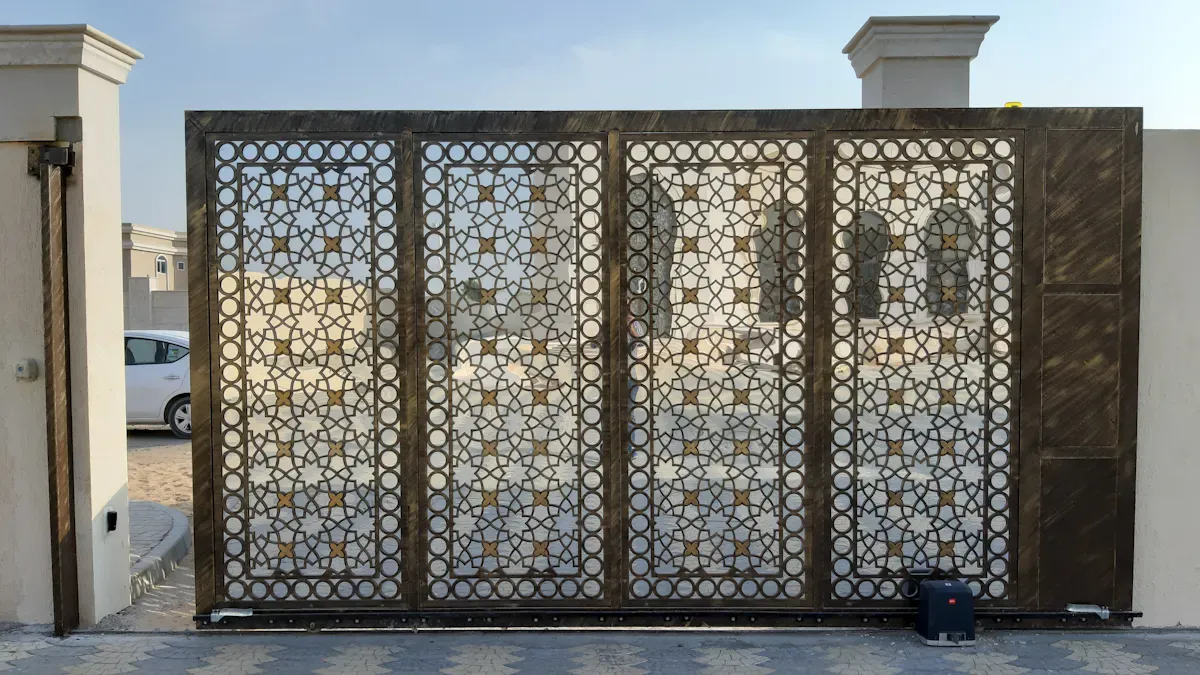
Composite Gate vs. Composite Fencing
Homeowners often consider both composite gates and composite fencing when planning their property boundaries. Both options use composite materials, which combine recycled wood fibers and plastics. This blend creates strong, long-lasting products. Composite fencing boards and composite fence panels offer a consistent look across the yard. On the other hand, composite gates, provide entry points that match the style of the surrounding fence.
Composite fencing stands out for its easy installation and uniform appearance. Many people choose composite fence panels for their ability to create privacy and security. Composite fencing boards can be installed vertically or horizontally, depending on the desired look. Composite gates use similar materials but often include reinforced frames and locking systems for added safety.
Both composite gates and composite fencing are considered environmentally-friendly choices. They use recycled content and reduce the need for new raw materials. Composite fence panels and composite fencing boards do not require chemical treatments, which helps protect the environment.
Benefits and Drawbacks
When comparing these fencing materials, it is important to look at the main benefits and drawbacks.
Benefits:
- Composite gates offer design flexibility and enhanced safety features.
- Composite fencing provides longevity, with many composite fence panels lasting 25 to 30 years.
- Both options require little maintenance. Cleaning usually involves soap and water.
- Composite fencing boards and panels are easy to install and maintain a modern, attractive look.
- Both products are environmentally-friendly due to their recycled materials.
Drawbacks:
- Composite materials can expand or contract with temperature changes.
- The initial cost for composite fencing and gates is higher than traditional fencing materials.
- Composite fence panels and boards are not fully recyclable at the end of their lifespan.
Note: Homeowners should weigh the long-term savings and environmentally-friendly benefits against the higher upfront costs when choosing between composite gates and composite fencing.
Composite gates offer many advantages for homeowners. Key benefits include water resistance, rot resistance, and a lifespan of up to 30 years. These gates need little maintenance and come in many styles. They use recycled materials, which helps the environment. However, the upfront cost is higher than wood or vinyl. Composite fencing and gates suit those who want durability and low upkeep. Consider your budget and long-term needs before buying. For the best results, compare brands and ask for a warranty.
FAQ
What makes composite gates different from traditional fencing?
Composite gates use recycled materials and advanced design. Traditional fencing often relies on wood or metal. Composite gates resist rot and insects. Many homeowners choose composite gates for durability and low maintenance. Fencing made from composite materials lasts longer and needs less care.
How long does composite fencing last?
Composite fencing usually lasts 25 to 30 years. The materials resist weather, pests, and fading. Homeowners do not need to replace fencing often. Composite fencing offers a strong investment for those who want long-term value and fewer repairs.
Is composite fencing environmentally friendly?
Composite fencing uses recycled wood fibers and plastics. This reduces landfill waste. The durability of composite fencing means fewer replacements. However, composite fencing is not fully recyclable at the end of its life. Homeowners should consider both the benefits and drawbacks.
Can composite fencing be repaired easily?
Composite fencing is strong but repairs can be limited. Damaged panels often need full replacement. Unlike wood fencing, patching is not always possible. Homeowners should check warranty options before buying composite fencing.
What maintenance does composite fencing require?
Composite fencing needs simple care. Cleaning with soap and water keeps fencing looking new. No painting or staining is needed. Inspect hardware and panels for damage. In humid climates, mold treatments may be needed. Routine care helps composite fencing last longer.