
Blog
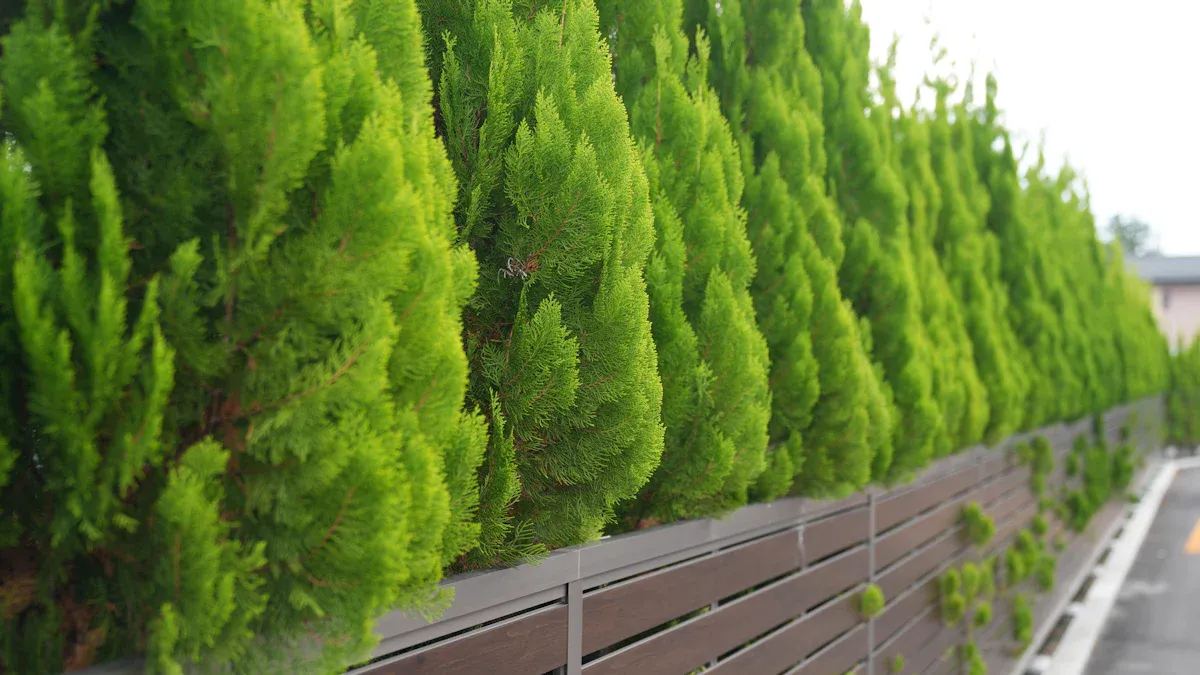
Composite Slat Fencing offers a smart balance of style, privacy, and durability for many homeowners. It stands out for its airflow and waterproof features, but some users report issues with moisture damage or instability in strong winds. The table below highlights common advantages and disadvantages:
| Advantages | Disadvantages |
|---|---|
| Provides airflow and visibility | Prone to moisture damage, splitting, and cracking |
| Budget-friendly due to reduced materials | Unstable in strong winds without strong posts |
| Exceptional durability with co-extrusion | Requires comprehensive treatment for basic slat |
| Waterproof and insect proof |
This fence type works best for those seeking low maintenance and modern design. Keep reading for practical tips and a detailed breakdown.
Key Takeaways
- Composite slat fencing lasts 20 to 50 years, making it a long-term investment for homeowners.
- This fencing type requires minimal maintenance, saving time and money compared to wood or vinyl options.
- Composite slats provide excellent privacy while allowing airflow, ideal for gardens and pool areas.
- The eco-friendly materials used in composite fencing help reduce waste and support sustainable practices.
- While the upfront cost is higher, the durability and low upkeep can lead to significant savings over time.
What Is Composite Slat Fencing?
Composite Slat Fencing is a modern fence solution made from a blend of recycled wood fibers and plastic polymers. This combination creates a dense and stable structure that stands up well to changing temperatures. The material mimics the look of natural wood but offers much greater durability. Unlike traditional wood, composite slats resist rot, insect damage, and fading. This means the fence can last for many years with minimal upkeep.
The design of composite slat fencing allows for both privacy and airflow. The slats are spaced to let air pass through, which helps reduce wind pressure and keeps outdoor spaces feeling open. At the same time, the arrangement of the slats provides a solid barrier that shields your yard from prying eyes. This balance makes it a popular choice for homeowners who want both comfort and security.
Note: Composite fencing panels often use patented technology to improve weather resistance. These features help the fence withstand rain, sun, and even harsh winters without warping or cracking.
From an environmental perspective, composite slat fencing offers several advantages:
- Made from recycled materials, which reduces waste and conserves natural resources.
- Lasts longer than wood or vinyl, so fewer fences end up in landfills.
- Does not require chemical treatments, which helps protect soil and wildlife.
Traditional wood fencing can harm the environment through deforestation and chemical use. Composite slat fencing helps avoid these problems by using recycled content and safer manufacturing methods.
Pros of Composite Slat Fencing
Durability & Weather Resistance
Composite Slat Fencing stands out for its impressive durability. The blend of recycled wood fibers and plastic polymers creates a fence that resists rot, moisture, and insect damage. Unlike wood, composite slats do not warp, splinter, or crack, even after years of exposure to the elements. This type of fencing is engineered to withstand hurricane-force winds, remaining stable in gusts up to 95 km/h. It also performs well in heavy rain and snow, thanks to its excellent waterproofing.
Tip: Composite fences are a smart choice for regions with harsh winters or frequent storms.
The table below compares the average lifespan of composite and wood fencing:
| Feature | Composite Infill | Wood Infill |
|---|---|---|
| Average Lifespan | 20-50+ years | 8-20 years (up to 50 with extensive care) |
Composite fencing maintains its structure and appearance for decades, making it a reliable long-term investment.
Low Maintenance
One of the biggest advantages of Composite Slat Fencing is its low maintenance needs. Homeowners only need to clean the fence with water and mild soap from time to time. There is no need for painting, staining, or sealing. In contrast, wood fencing requires regular treatments to protect against moisture and pests, as well as frequent inspections and repairs.
- Composite slats require minimal maintenance.
- Wood fencing needs annual staining or sealing.
- Composite fencing does not need pest treatments or water-repellent coatings.
Over a 20-year period, the low maintenance requirements of composite fencing can lead to significant cost savings. The table below highlights the difference in maintenance costs over ten years:
| Fencing Type | Maintenance Requirements | Estimated 10-Year Cost Savings |
|---|---|---|
| Wood Fencing | Annual maintenance (staining, painting) | Hundreds to thousands of dollars |
| Composite Fencing | Occasional washing only | Significant cost savings |
Composite fencing can last over 25 years with minimal signs of aging, while wood fencing may deteriorate after 8-10 years.
Appearance & Design
Composite Slat Fencing offers a wide range of design options. Homeowners can choose from classic picket styles, clean horizontal slats, or panels with geometric patterns. Popular colors include warm cedar, rich walnut, natural teak, charcoal gray, matte black, and sand white. These options suit both traditional and modern homes.
- Matte or low-gloss finishes reduce glare and enhance realism.
- Mixed material designs combine composite slats with cedar trims or metal posts for added texture.
- Customizable panels allow for solid privacy or open, airy looks.
Composite fencing maintains its color and texture over time. Unlike painted wood, which fades and loses appeal without regular upkeep, composite fences resist stains and fading. They require only occasional cleaning to keep their appearance fresh.
| Feature | Composite Fencing | Painted Wood Fencing |
|---|---|---|
| Appearance Longevity | Maintains color and texture over time | Fades and loses appeal without upkeep |
| Maintenance | Minimal maintenance required | Requires regular painting and sealing |
| Resistance to Elements | Resistant to fading, warping, cracking | Prone to warping and cracking |
Eco-Friendly Benefits
Composite Slat Fencing is an environmentally responsible choice. Most products contain up to 60% recycled wood fiber, reducing the demand for new lumber and helping to conserve forests. The manufacturing process uses less energy and produces fewer greenhouse gas emissions compared to traditional wood fencing.
- Made from recycled plastic and wood fibers.
- Lower carbon footprint than wood or vinyl fencing.
- No need for chemical treatments, which protects soil and wildlife.
Choosing composite fencing helps reduce waste and supports sustainable building practices.
Privacy & Airflow
Composite Slat Fencing provides an effective balance between privacy and ventilation. The engineered gaps between slats allow air to circulate, preventing heat buildup and keeping outdoor spaces comfortable. At the same time, the slats are spaced closely enough to block outside views, offering excellent privacy for urban and suburban homes.
- Allows for air circulation while providing privacy.
- Tightly spaced slats prevent outside views.
- Ideal for gardens, patios, and pool areas.
This combination of privacy and airflow sets composite fencing apart from solid fences, which can create heat pockets and block breezes.
Cons of Composite Slat Fencing
Upfront Cost
The initial price of Composite Slat Fencing is higher than many other fence types. Homeowners often notice the difference when comparing material and installation costs. For example, the average cost per linear foot for composite fencing ranges from $35 to $65. In contrast, wood fencing costs about $15 to $30 per linear foot, and vinyl fencing falls between $20 and $40 per linear foot.
| Fence Type | Average Cost (Per Linear Foot) |
|---|---|
| Composite Fence | $35–$65 |
| Wood Fence | $15–$30 |
| Vinyl Fence | $20–$40 |
A typical installation for a composite fence can reach $8,800, while wood and vinyl installations average $4,500 and $7,200, respectively. This higher upfront investment can be a barrier for some homeowners. However, composite fencing lasts over 25 years and requires little maintenance, which can lead to savings in the long run. Wood fences often need repairs and treatments, which add to their total cost over time.
Note: While the initial cost is higher, the reduced need for maintenance and longer lifespan can offset the investment for many families.
Fading & Staining
Composite Slat Fencing is designed to resist fading and staining, but some color change may still occur. Most high-quality products include advanced UV stabilizers that help prevent fading from sun exposure. Over ten years, these fences typically fade less than 5% under normal outdoor conditions. Some initial surface oxidation may happen in the first few months, but the color usually stabilizes after that.
| Feature | Description |
|---|---|
| UV Stabilizers | Advanced UV stabilizers resist fading and discoloration from sun exposure. |
| Fading Rate | High-quality products fade less than 5% over 10 years under normal use. |
| Initial Change | Some surface oxidation may occur early, but color stabilizes over time. |
Stains from dirt, leaves, or other outdoor debris can appear, but these are usually easy to clean. Homeowners should rinse the fence with a garden hose and use mild soap for stubborn spots. There is no need for repainting or staining, which saves time and money. Avoid using high-pressure washers, as they can damage the surface.
- Rinse with a garden hose to remove dirt.
- Use mild soap and a soft brush for tough stains.
- No need for sanding, sealing, or painting.
Limited Colors
Composite Slat Fencing comes in a variety of colors and finishes, but the range is not as broad as painted wood fencing. Wood can be painted or stained in almost any color, offering endless customization. Composite fencing usually offers several popular choices, such as grays, browns, and black.
| Fencing Type | Color Options |
|---|---|
| Composite Slat Fencing | Various colors and finishes available |
| Painted Wood Fencing | Can be painted or stained any color, endless options |
| Color Choice | Description |
|---|---|
| Grays | Modern look, hides dirt well, available in light to dark shades. |
| Browns | Warm timber appearance, multi-chromatic for a natural look. |
| Black | Matte finish, creates a bold frame for outdoor spaces. |
While these options suit most modern homes, those seeking unique or custom colors may find the selection limited compared to wood.
Installation Challenges
Installing Composite Slat Fencing can be more complex than putting up a traditional wood fence. The panels are heavier, and the posts must be set securely to support the weight and withstand wind. Some homeowners may find the process challenging, especially if they lack experience with fence installation.
- Composite fencing often requires precise measurements and sturdy posts.
- The panels can be heavy and may need more than one person to handle.
- If unsure about skills or time, hiring a professional installer is recommended.
Tip: Professional installation ensures the fence is stable and looks its best. Many homeowners choose this option for peace of mind.
DIY installation is possible, but it may not suit everyone. Consider your abilities and schedule before starting the project.
Where Composite Slat Fencing Works Best
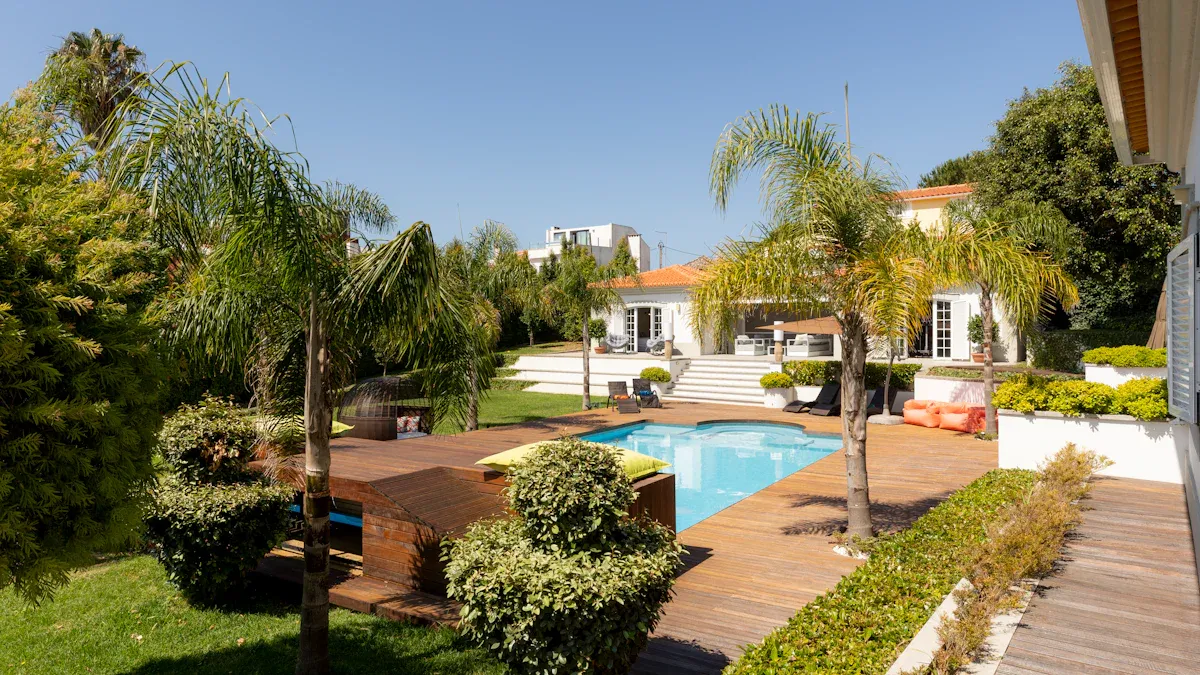
Residential Gardens and Backyards
Composite slat fencing offers many advantages for residential gardens and backyards. Homeowners often choose this fence type for its ability to provide privacy and reduce noise from neighbors. Composite slats can be installed taller to keep pets safe and contained. They also work well as privacy fences around patios or garden spaces. In coastal areas, composite fencing resists salt air, which helps prevent damage and extends the fence’s lifespan.
Key benefits for residential use include:
- Excellent privacy for garden boundaries
- Modern look that matches landscaping designs
- Long-term durability against warping, cracking, and insect damage
This fence material requires little maintenance and does not need painting or staining. Over time, composite slat fencing saves money compared to wood or metal fences.
Pool and Privacy Fencing
Composite slat fencing is a smart choice for pool areas and privacy fences. The boards are 100% waterproof, making them ideal for wet environments. They do not splinter, so they are safe for children and pets. Composite slats also resist sun damage and do not expand or contract with temperature changes.
| Feature | Description |
|---|---|
| Waterproof | 100% waterproof WPC boards, suitable for pool areas |
| Sunproof | Withstands sun exposure without fading or degrading |
| Durability | Rot-proof, water-resistant, and UV-stable construction |
This type of fencing keeps pool areas secure and private while maintaining a clean, modern appearance.
Modern Landscape Projects
Modern landscape projects often use composite slat fencing for its design flexibility and visual appeal. The material combines the look of natural wood with the strength of advanced composites. It comes in many colors and finishes, so it fits a variety of garden and outdoor styles.
| Feature | Description |
|---|---|
| Aesthetic Appeal | Natural wood look with modern materials |
| Low Maintenance | Minimal upkeep compared to traditional wood fencing |
| Design Flexibility | Adaptable for trellises, cladding panels, and other applications |
Composite slat fencing provides design continuity across different parts of a property. It enhances privacy while keeping outdoor spaces open and inviting.
Composite Slat Fencing Installation Basics
Key Components of a Slat Fence System
Composite slat fencing relies on several essential parts to deliver strength and longevity. The main materials include recycled wood fibers and plastic. These components help the fence resist weather, pests, and decay. Manufacturers often use a co-extrusion process, which creates a robust structure that stands up to environmental stress. Minimal maintenance is required, so the fence stays in good condition without frequent sealing or painting.
| Component | Contribution to Durability |
|---|---|
| Recycled wood fibers and plastic | Enhances resistance to weather, pests, and decay |
| Co-extrusion process | Creates a robust structure that is resistant to environmental factors |
| Minimal maintenance | Ensures longevity without the need for sealing or painting |
When selecting panels and hardware, look for thick composite slats and sturdy posts. Quality panels should feel solid and have a uniform finish. Hardware must be rust-resistant and designed for outdoor use. These features help privacy fences last longer and maintain their appearance.
Tip: Choose panels with UV protection and reinforced cores for extra durability.
DIY vs Professional Installation
Homeowners can install composite slat fencing themselves or hire a professional. Both options have similar material costs, ranging from $20 to $45 per linear foot. The main difference lies in labor and outcome.
| Installation Type | Cost per Linear Foot |
|---|---|
| DIY | $20 to $45 |
| Professional | $20 to $45 |
DIY installation offers flexibility and can save money on labor. However, composite slats are heavier than wood, and precise measurements are needed. Mistakes may lead to instability or gaps in the fence. Professional installers have experience with various fence types and materials. They ensure the fence is secure and meets local codes.
- Composite fencing requires little care after installation.
- It provides the look of wood without labor-intensive maintenance.
- Upfront costs are higher than wood or chain link, but long-term value is greater due to lower upkeep.
Budgeting for composite slat fencing should include both material and labor costs. Investing in quality panels and hardware pays off over time. Homeowners benefit from a durable privacy fence that needs minimal maintenance and stays attractive for years.
Buying Guide: How to Choose the Right Composite Slat Fence
Check Material Quality and Core Structure
Choosing the right composite slat fencing starts with understanding the materials. High-quality composite slats use a blend of wood fibers and plastic. Look for products with high-density polyethylene or virgin plastic. These materials give the fence strength and help it last longer. A strong core structure resists harsh weather, scratching, and denting. Good composite fencing should also use recycled materials, which makes it more eco-friendly.
Tip: Check for certifications that show the fence meets safety and environmental standards.
When comparing fence types, consider these factors:
- Material composition and quality
- Durability and weather resistance
- Aesthetic design and versatility
- Eco-friendliness
- Maintenance requirements
- Cost and warranty
Choose the Right Slat Size and Spacing
Slat size and spacing affect both the look and function of privacy fences. Wider slats offer more privacy, while narrower slats allow more airflow. The spacing between slats can change how much light and wind pass through. Think about your needs for privacy and ventilation before choosing a design.
- For maximum privacy, select tightly spaced composite slats.
- For better airflow, choose slats with wider gaps.
Compare Color and Finish Options
Composite slat fencing comes in many colors and finishes. Common choices include gray, brown, and black. Some fence materials have a matte finish, while others look more like natural wood. Pick a color that matches your home and landscape. Remember, composite fencing keeps its color longer than painted wood.
| Color Option | Features |
|---|---|
| Gray | Modern, hides dirt well |
| Brown | Warm, natural wood appearance |
| Black | Bold, frames outdoor spaces |
Evaluate Warranty and Supplier Reputation
A good warranty protects your investment in composite slat fencing. Many high-quality fences last over 25 years with little maintenance. Reliable suppliers offer clear warranty terms that cover defects and fading. They also have a strong reputation for customer service.
- Composite fencing resists rotting, warping, and insect damage.
- A trusted supplier helps ensure your fence stays attractive and strong.
- A modern composite fence can even increase your property’s value.
Note: Always read the warranty details and check reviews before choosing a supplier.
Final Thoughts: Is Composite Slat Fencing Worth It?
Composite slat fencing offers a strong combination of durability, low maintenance, and modern design. Many homeowners choose this fence type because it stands up to harsh weather and resists rot, insects, and fading. Composite slats provide privacy while allowing airflow, making them ideal for gardens, pool areas, and modern landscapes. The eco-friendly materials used in these privacy fences help reduce environmental impact.
Tip: If you want a fence that looks like wood but lasts much longer, composite fencing is a smart choice.
However, the higher upfront cost may not fit every budget. Some people may prefer wood or vinyl fencing for their lower initial price or wider color options. Installation can also be more challenging, especially for DIY projects. Still, the long-term savings on maintenance and repairs often make composite slat fencing a better value over time.
Key points to consider:
- Composite slat fencing lasts 20–50 years with minimal upkeep.
- It resists moisture, insects, and UV damage better than most fence materials.
- The color range is more limited than painted wood, but popular shades suit most homes.
- Professional installation is recommended for best results.
| Fence Type | Durability | Maintenance | Eco-Friendly | Privacy | Cost |
|---|---|---|---|---|---|
| Composite Slats | High | Low | Yes | High | Higher |
| Wood Fencing | Medium | High | No | High | Lower |
| Vinyl Fencing | Medium | Low | No | Medium | Medium |
Choose WPC Green View – Your Trusted Composite Slat Fencing Supplier
WPC Green View stands out as a reliable supplier of composite slat fencing. The company offers high-quality composite slats and privacy fences that meet strict durability and safety standards. Their products use recycled materials and advanced technology to ensure long-lasting performance. Customers receive clear warranty terms and helpful support.
Choosing WPC Green View means investing in a fence that protects your property, looks great, and supports sustainable building practices. Contact their team for expert advice on selecting the right fence type and materials for your project.
Composite slat fencing stands out for its long lifespan, low maintenance, and eco-friendly materials. It works well for homeowners who want privacy fences with modern style and durability. The table below highlights the main points:
| Feature | Description |
|---|---|
| Durability | Lasts 25–50 years, outperforms wood and many fence materials |
| Low Maintenance | Needs little upkeep, saves money over time |
| Aesthetic Appeal | Offers various colors and styles for curb appeal |
| Eco-Friendliness | Uses recycled composite slats for a sustainable choice |
| Disadvantages | Higher upfront cost, limited color options |
Consider your budget, design needs, and long-term plans before choosing the right fence type for your property.
FAQ
What makes composite slat fencing different from wood or vinyl fences?
Composite slat fencing uses recycled wood fibers and plastic. This material resists rot, insects, and moisture. It lasts longer than wood and needs less maintenance than vinyl. Composite slats offer modern style and strong privacy for gardens and backyards.
Can composite slats be used for privacy fences?
Yes, composite slats work well for privacy fences. The slats block views and reduce noise. Homeowners can choose tight spacing for maximum privacy. Composite materials also withstand harsh weather, making them ideal for outdoor privacy solutions.
How do I clean composite slat fencing?
Cleaning composite slat fencing is simple. Use water and mild soap. Rinse with a garden hose. Avoid high-pressure washers. Composite materials resist stains, so most dirt washes away easily. Regular cleaning keeps the fence looking new.
Is composite slat fencing eco-friendly?
Composite slat fencing uses recycled materials. It reduces waste and protects forests. The manufacturing process avoids harmful chemicals. Choosing composite slats supports sustainable building practices and lowers the environmental impact compared to other fence types.
What is the lifespan of composite slat fencing?
Composite slat fencing lasts 20 to 50 years. The material resists fading, cracking, and insect damage. It outperforms many other fence materials. Homeowners benefit from long-term durability and minimal upkeep.