
Blog
A WPC Wall Panel combines wood fibers with thermoplastic to create a strong, stylish surface for walls. Over the past five years, the demand for wpc has surged. People choose wpc for its eco-friendly qualities. The wpc material resists water and needs little upkeep. Wpc panels offer modern looks and last for years. Many homeowners and businesses now prefer wpc for both interiors and exteriors.
Key Takeaways
- WPC wall panels combine wood fibers and thermoplastics, offering a strong, stylish, and eco-friendly option for walls.
- These panels resist moisture, require low maintenance, and can last 15 to 30 years, making them a cost-effective choice for homes and businesses.
- WPC wall panels come in various colors and textures, allowing for versatile design options that suit different styles and applications.
What is a WPC Wall Panel?
WPC Wall Panel Definition
A wpc wall panel is a modern building material made from a blend of wood fibers and thermoplastics. This combination creates a strong and versatile surface for walls. The term “wpc” stands for wood plastic composite. Manufacturers use this material to produce panels that look like wood but perform better in many ways.
The core concept behind a wpc wall panel is innovation. By mixing natural wood fibers with durable plastics, the panel gains the best qualities of both materials. The wood fibers add strength and a natural appearance. The thermoplastics provide moisture resistance and flexibility. This blend makes wpc wall panel products popular for homes, offices, and outdoor spaces.
Below is a table showing the main components of a wpc wall panel:
| Component | Description |
|---|---|
| Wood Fibers | Sourced from various woods (e.g., pine, oak); composed of cellulose, hemicellulose, and lignin. |
| Thermoplastics | Includes polyethylene (PE), polypropylene (PP), and polyvinyl chloride (PVC); known for durability and moisture resistance. |
| Additives | Coupling agents, UV stabilizers, lubricants, and antioxidants enhance performance and longevity. |
Wpc wall panel products are sometimes called wood plastic composite panels. They are part of a larger family of wood plastic composite materials used in construction. These panels offer a balance of style, strength, and sustainability.
Note: Wpc wall panel options often use recycled wood and plastic. This reduces waste and supports eco-friendly building practices.
How WPC Wall Panels Are Made
The process of making a wpc wall panel is different from making traditional wood panels. Manufacturers use a special method to combine wood fibers and plastic. Here is a step-by-step look at how wpc wall panels are made:
- Wood fibers are collected from sawdust, wood shavings, or recycled wood waste.
- The fibers are mixed with thermoplastic materials such as polyethylene or polypropylene.
- Additives like UV stabilizers and lubricants are included to improve performance.
- The mixture is heated and formed into panels using molds and extrusion machines.
- The finished panels are cooled, cut, and given surface textures or colors.
This process gives wpc wall panel products several advantages. The plastic content binds the wood fibers tightly. This makes the panel more durable and resistant to moisture. Unlike traditional wood panels, wpc wall panel surfaces do not warp or rot easily.
Here is a table comparing wpc wall panels to traditional wood panels:
| Feature | WPC Wall Panels | Traditional Wood Panels |
|---|---|---|
| Material Composition | Wood fibers + thermoplastics | Entirely wood |
| Durability | Enhanced durability | Varies by wood type |
| Moisture Resistance | High moisture resistance | Prone to moisture damage |
| Maintenance | Lower maintenance | Higher maintenance |
Wpc wall panel products also have a lower environmental impact than many traditional materials. They help reduce deforestation by using less solid wood. The production process creates fewer greenhouse gas emissions. Many wpc wall panel products are recyclable, which supports a circular economy.
Tip: Choosing wpc wall panel materials can help preserve forests and reduce waste. Their long lifespan means fewer replacements and less resource use over time.
Wpc wall panel technology continues to improve. New designs and finishes make these panels suitable for many styles and applications. As more people look for sustainable and low-maintenance options, wpc wall panel products are becoming a top choice in the building industry.
WPC Wall Panel vs. Other Wall Materials
WPC vs. Wood Panels
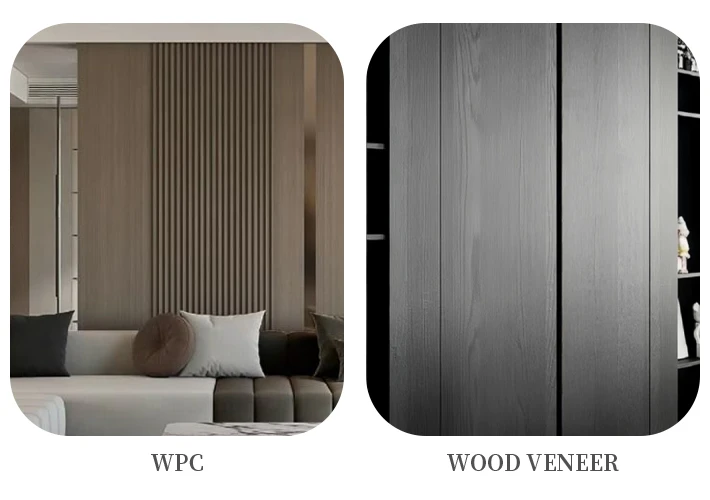
| Criteria | Solid Wood Wall Panel | WPC Wall Panel |
|---|---|---|
| Material Composition | Made from natural wood | Composite of wood fibers and plastics |
| Environmental Impact | Tree cutting raises sustainability concerns | Uses recycled materials, more eco-friendly |
| Durability | Needs regular care to prevent damage | Highly durable, resists rot and moisture |
| Aesthetic Appeal | Unique grain and color variations | Mimics wood, more uniform look |
| Cost | Often more expensive | More affordable and cost-effective |
| Customizability | Limited by wood’s natural properties | Easy to customize due to moldability |
| Installation | More complex process | Lighter, easier to install |
You can see in this table that wpc panels last longer than many wood options. Most wpc wall panels have a lifespan of 15 to 25 years. Traditional wood panels may warp or rot faster, especially in damp areas. Well-maintained wpc panels can even last up to 30 years, outlasting cheaper wood choices.
Tip: Wpc wall panels need less maintenance than wood. This saves time and money over the years.
WPC vs. Vinyl Panels
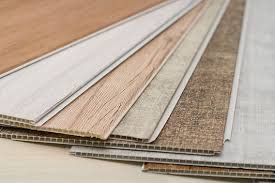
Wpc wall panels and vinyl panels both resist moisture, but their costs and lifespans differ. Here is a cost comparison over 10 years:
| Material | Initial Cost/sq.ft | 10-Year Maintenance Cost | Replacement Frequency | Total 10-Year Cost |
|---|---|---|---|---|
| WPC Panels | $3.50-$5.00 | $0.50 | None | $4.00-$5.50 |
| Vinyl Siding | $2.00-$3.50 | $2.00 | Every 15 years | $5.50-$7.50 |
Wpc wall panels also last longer than vinyl in many cases. Most wpc panels stay strong for 15 to 25 years. Vinyl panels may need replacement sooner, especially in harsh weather. Wpc panels also offer a more natural look, which many homeowners prefer.
- Wpc wall panels: blend of wood and plastic, long lifespan, low maintenance.
- Vinyl panels: plastic only, lower upfront cost, higher long-term expense.
Choosing wpc wall panels gives you a balance of durability, style, and value. They work well for both homes and businesses.
WPC Wall Panel Benefits
Durability
Wpc wall cladding stands out for its impressive durability. The combination of wood fibers and thermoplastics creates a strong surface that resists daily wear. Wpc fluted wall panels and 3d fluted curved wpc wall panels do not warp, crack, or rot like traditional wood. These panels maintain their shape and structure even in hot or humid conditions. This durability means wpc wall cladding can last for many years with minimal repairs. Homeowners and business owners trust wpc for long-term functionality.
Water resistance
Wpc wall cladding offers excellent waterproof performance. Wpc fluted wall panels and 3d fluted curved wpc wall panels resist moisture absorption, which prevents common problems such as warping and rotting. Their non-porous surface keeps water out, making them ideal for kitchens, bathrooms, and outdoor spaces. Wpc wall cladding maintains its dimensions even when humidity changes. This waterproof quality ensures the panels stay strong and attractive in high-moisture environments.
- Wpc fluted wall panels have a low moisture content, around 0.5%.
- Wpc wall cladding does not change size or shape with humidity.
- 3d fluted curved wpc wall panels are more waterproof than standard wood.
Aesthetic flexibility
Wpc wall cladding provides many design options. Wpc fluted wall panels and 3d fluted curved wpc wall panels come in various colors, textures, and finishes. This flexibility allows designers to match any style, from modern to classic. The table below shows some popular choices:
| Design Type | Description | Color Options |
|---|---|---|
| Fluted or Slat Panels | Vertical grooves for depth and interest | Many colors for bold or subtle looks |
| Smooth Finish Panels | Sleek, minimalist surface | Solid colors for a modern touch |
| Wood Grain Textures | Mimics real wood without extra maintenance | Natural wood tones for warmth |
| Marble-textured Panels | Looks like stone, lighter and easier to install | Carrara White, grey, black, gold, beige |
Wpc wall cladding adapts to different spaces, making it a top choice for creative projects.
Low maintenance
Wpc wall cladding is known for its low maintenance needs. Wpc fluted wall panels and 3d fluted curved wpc wall panels only require a quick wipe with a damp cloth or mild soap and water. Unlike wood, there is no need for polishing, sealing, or special cleaners. This easy care saves time and money. Wpc wall cladding keeps its appearance and functionality with little effort, making it a cost-effective solution for busy property owners.
Tip: Wpc fluted wall panels and 3d fluted curved wpc wall panels are perfect for anyone who wants a beautiful, waterproof wall without the hassle of constant upkeep.
Common Applications of WPC Wall Panels
Residential interiors
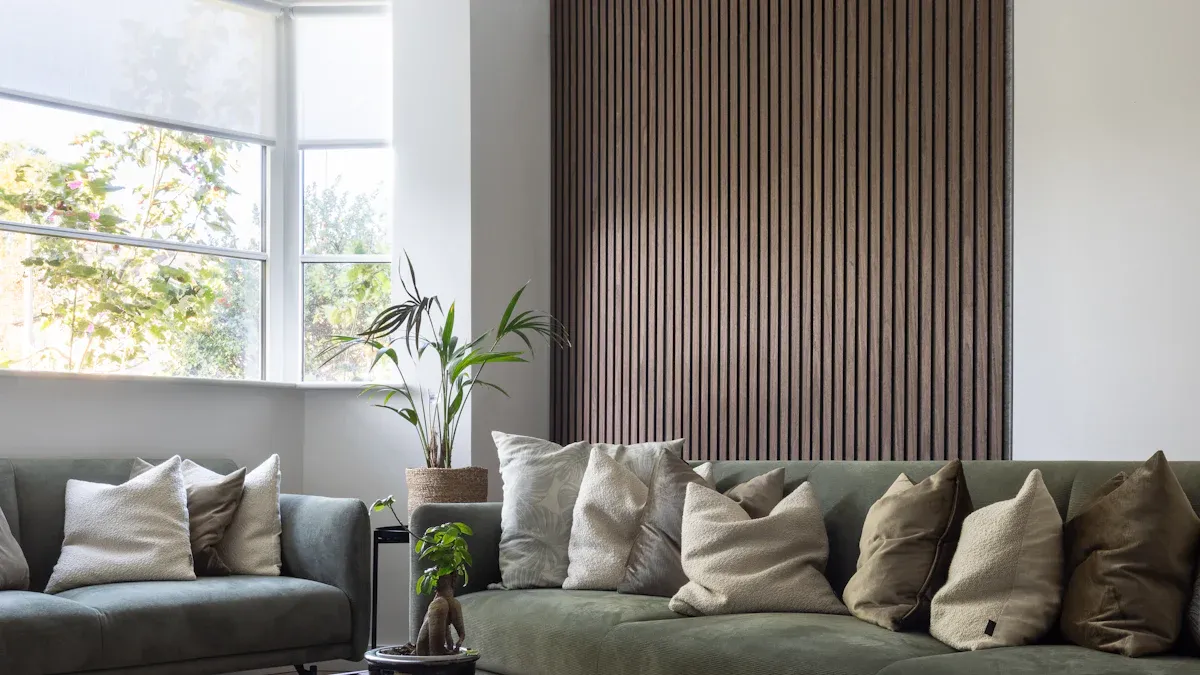
Wpc wall panels have become a popular choice for home interiors. Many homeowners use wpc panels to create accent walls in living rooms. These panels add texture and a modern look to the space. In bathrooms, wpc panels offer a practical solution because they resist water and prevent problems like peeling paint or mildew. Bedrooms and hallways also benefit from wpc panels, which provide a clean and stylish finish. Some people even use wpc panels for furniture design, making durable and attractive pieces for indoor and outdoor use.
- Living room accent walls
- Bathroom upgrades
- Bedroom and hallway finishes
- Furniture design
Tip: Wpc panels are easy to clean, making them ideal for busy households.
Commercial spaces
Wpc wall panels enhance both the appearance and function of commercial spaces. Offices, hotels, and retail stores often use wpc panels because they look like real wood but last much longer. The panels come in many colors and textures, so designers can match any décor style. Wpc panels work well in high-traffic areas since they resist scratches and need little maintenance. Their sustainable materials also help create a modern and inviting atmosphere for customers and employees.
- Durable surfaces for offices and hotels
- Customizable finishes for retail stores
- Minimal upkeep for busy environments
Outdoor and semi-outdoor use
Wpc wall panels perform well outdoors and in semi-outdoor spaces. These panels can handle extreme temperatures, humidity, and strong sunlight without fading or cracking. Wpc panels stay stable and do not warp, even when the weather changes. Their color remains bright because of advanced coatings. Wpc panels also resist mold and mildew, which keeps outdoor areas clean and safe. Many people use wpc panels for exterior cladding, patios, and garden walls.
- Exterior wall cladding
- Patio and balcony coverings
- Garden and fence panels
Note: Wpc panels offer long-lasting beauty and protection for outdoor spaces.
How to Choose the Right WPC Wall Panel
Thickness and density
Selecting the right thickness and density is important for wpc wall panels. Thicker panels provide better protection against impacts and harsh weather. High-density wpc panels are heavier and resist bending or breaking. These panels work well in busy areas or places that need extra strength. Thicker and denser wpc boards also offer better sound insulation. They use more raw material, which can increase the cost. Key performance indicators include density, thickness, moisture absorption, and UV resistance. When choosing wpc panels, consider where you will install them and how much strength you need.
- Thicker panels give more impact resistance.
- High-density panels last longer and stay in shape.
- Thicker, denser wpc panels cost more but offer better durability.
Surface finish and style
The surface finish of a wpc wall panel affects both its look and its performance. Many finishes can imitate high-end materials, making wpc panels attractive for modern spaces. Different textures and patterns add depth and character to walls. Proper finishes protect wpc panels from sunlight, moisture, and scratches. This helps the panels keep their appearance and last longer. Choose a finish that matches your design style and the needs of your space.
- Finishes can look like wood, stone, or smooth surfaces.
- Good finishes make cleaning easy and reduce maintenance.
Color and texture
Wpc wall panels come in many colors and textures. The table below shows popular options and where they work best:
| Color | Characteristics | Trends and Applications |
|---|---|---|
| Light Oak | Pale, golden-yellow, subtle grain | Modern, Scandinavian, living rooms, bedrooms |
| Teak | Rich brown, distinct grain | Classic, feature walls, outdoor use |
| Walnut | Deep brown, smooth finish | Modern, rustic, living rooms, restaurants |
| Charcoal Gray | Modern, edgy look | Living rooms, offices, retail stores |
| Light Gray | Calming, serene | Bedrooms |
| Ivory | Soft, neutral | Bedrooms |
| Classic White | Clean, bright | Kitchens, backsplashes |
| Beige | Warm, traditional | Dining areas, outdoor settings |
| Taupe | Soft, neutral | Retail spaces |
Wpc panels with wood grain or marble textures are popular in both homes and businesses. The right color and texture can set the mood for any room.
Fire rating & safety standards
The B1 rating means that the material is only slightly easily ignitable, which means that it has a very small effect on the amount of fire and flame spread. ISO9001, SGS, and CE are all certifications that make sure goods meet the high quality and safety standards needed for business building projects.
The fire rating of wpc wall panels can vary depending on a few factors. Some standard wpc wall panels may not have a very high fire rating. They can catch fire relatively easily, and the flame can spread at a moderate pace. However, many manufacturers have been working hard to improve the fire-resistance of these panels.
When choosing wpc panels, always check for certifications and fire ratings. Panels with good water & fire resistance offer better safety for homes and commercial buildings.
Installation Guide: What Buyers Should Know
Installing wpc wall panels is a straightforward process that many homeowners and professionals can handle. The steps to install wpc wall cladding are simple and do not require advanced skills. Most people can complete the job with basic tools and careful planning.
Basic Steps to Install WPC Wall Cladding:
- Prepare for installation. Gather all tools and materials. Make sure the wall surface is clean and dry. Plan the layout before starting.
- Install battens or mounting rails. Fix these supports to the wall and check that they are level.
- Cut the wpc panels to size. Use a circular saw or jigsaw for accurate cuts. Always follow safety guidelines.
- Install the panels. Start from the bottom. Align each wpc panel and secure it in place. Check for level as you go.
- Handle joints and corners. Use corner trims and leave small expansion gaps between panels.
- Finish the installation. Seal the joints, add trim pieces, and clean the surface.
Tip: For smooth, flat walls, the glue method works well. Apply adhesive to the back of each wpc panel and press it firmly onto the wall. For uneven or damp walls, use the screw and frame method. Build a support frame, then attach the panels with screws.
Common Tools Needed:
- Tape measure and level
- Circular saw or jigsaw
- Nail gun or screwdriver
- Panel lifter and edge trimmer
When you install wpc wall cladding, you get a durable and attractive finish. The process is efficient, and the panels fit many wall types. Wpc panels are designed for easy installation, making them a top choice for both new projects and renovations.
Cost & Maintenance Guide: Are WPC Wall Panels Worth It?
When considering wall materials, many buyers want to know if wpc panels offer good value. The initial price of wpc panels is competitive. In most markets, wpc wall panels cost between $50 and $150 per square meter. This price is similar to softwood panels and much lower than premium hardwood, which can reach $300 per square meter.
Here is a quick look at average prices in different regions:
| Region | Price Per Square Meter (USD) |
|---|---|
| China | $7 – $18 |
| India | $8 – $20 |
| Southeast Asia | $9 – $22 |
| Middle East | $10 – $25 |
| Europe | $15 – $35 |
| North America | $18 – $40 |
The total cost of wpc panels depends on several factors:
- Initial purchase price
- Installation expenses (wpc panels are lightweight and easy to install, which lowers labor costs)
- Durability and maintenance (wpc resists rot and insects, so it needs fewer repairs)
- Energy efficiency (wpc provides good insulation, which can lower heating and cooling bills)
- Customization options (wpc can mimic expensive materials at a lower cost)
- Environmental impact (wpc uses recycled materials, which helps reduce waste)
Maintenance is simple. Wpc panels only need occasional cleaning with soap and water. They do not require painting, sealing, or special treatments. This low maintenance saves time and money over the years.
Tip: Wpc panels last longer than many other wall materials. Their durability and easy care make them a smart investment for homes and businesses.
Conclusion: Should You Choose WPC Wall Panels?
Wpc panels contribute to eco-friendly building practices. Manufacturers use recycled wood fibers and plastics, which lowers the demand for new resources. This process supports a circular economy and hIf you’re looking for a wall material that combines durability, aesthetics, and long-term value, WPC wall panels are one of the smartest choices you can make. They’re waterproof, low-maintenance, eco-friendly, and versatile enough for both residential and commercial spaces—making them an ideal upgrade for any modern interior or exterior project.
At WPC Green View, we provide high-quality WPC wall panels designed to last, with a wide range of textures and styles that fit every design need. Whether you’re renovating a home, building a commercial space, or planning a large-scale project, our team offers one-stop solutions from product selection to installation guidance.
Ready to transform your space with reliable, stylish, and eco-friendly wall panels?
Contact WPC Green View today and let us help you create a better, greener space—effortlessly.
FAQ
What is the main advantage of wpc wall panels?
Wpc panels resist water and last longer than wood. They also need less maintenance. Many people choose wpc for both homes and businesses.
Can wpc panels be used outdoors?
Yes. Wpc panels work well outside. They handle rain, sun, and changing temperatures. Many outdoor spaces use wpc for walls and fences.
How do you clean wpc wall panels?
Use a damp cloth or mild soap and water. Wpc panels do not need special cleaners. Regular cleaning keeps wpc looking new.